
At the BSA, we are committed to providing the latest data and analytics through our in-house Research and Insights team. We lead pioneering research studies to help further our mission to provide water safety knowledge to the communities that we serve.
Our research projects challenge assumptions, test hypotheses, and contribute valuable insights to existing bodies of knowledge within the aquatic sector.
Squeezing five years of life-changing work into our very first impact report was always going to be a challenge. But the more time we took to reflect on our journey and the results of our work, the more we appreciated this concept: a document available for everyone; whether you’re a funder, partner or supporter, highlighting our best work.
We are proud to present our very first Impact Report. The aim of this report is to share with our community, funders and stakeholders our journey and work over the last five years, with a focus on the last 12 months. Look back at our successes and milestones, as well as our goals for future.
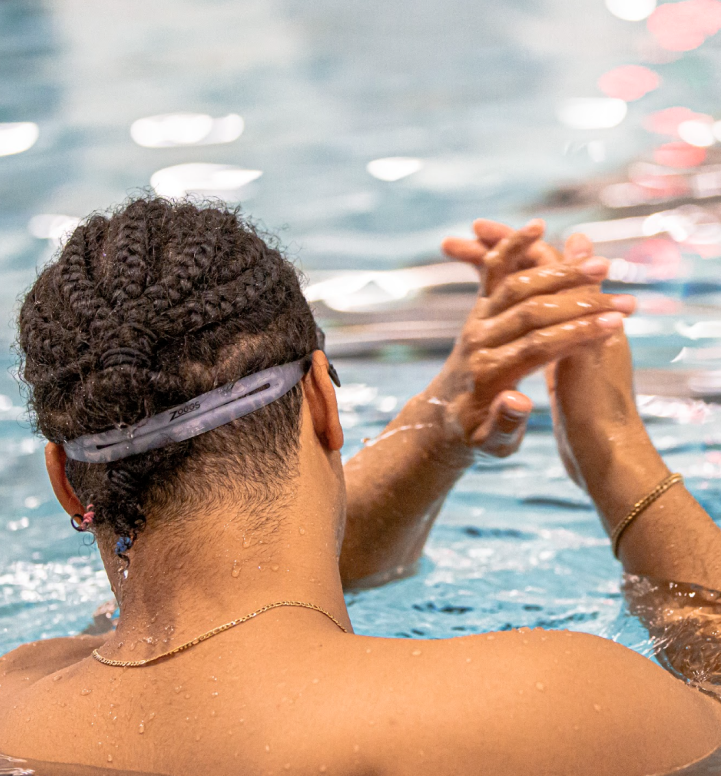
In 2021, the BSA, in partnership with AKD Solutions, commissioned #OurSwimStory. The pioneering social research project, investigates the lived experiences, attitudes and perceptions of Black and Brown adults and their relationship with water safety and aquatic activity.
In total, more than 1,400 adults across seven cities in England and Wales took part in the study via surveys, forums and interviews.
Water safety and aquatic activity are not merely recreational pursuits; they are essential life skills that everyone should have access to. This report aims to shed light on the complex social, cultural, and psychological barriers that hinder individuals from these communities from fully participating in and benefitting from water-based activities.
Our research identified multiple barriers that stand between our communities and the aquatic sector. Our findings also identified a latent demand, revealing a major opportunity to foster inclusion in aquatics by encouraging everyone to find their place in the water. Based on the survey responses…
of people said they did not know how to stay safe in the water
of people indicated that improving their aquatic skills would contribute to an increase in participation
of people said they had a fear of water
of people reported finance as a barrier to aquatic activity